
Record Highs, Rising Yields: What August 2026’s Bond Selloff Means for Everyday Investors
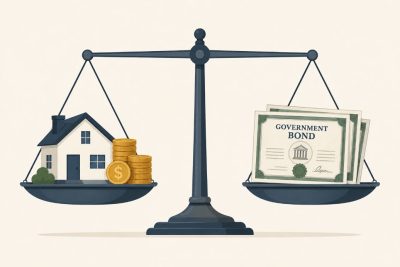 The S&P 500 closed above 7,700 in mid-August 2026, within striking distance of the record it set just days earlier, even as the 30-year Treasury yield climbed past 5.3%, its highest level since 2007. That combination, stocks near all-time highs while long-term borrowing costs surge, is not something markets see together very often. Data from Bank of America‘s August Global Fund Manager Survey shows why this moment feels unusual: sentiment among institutional investors ranked as the third most bullish reading since 2022, with cash allocations falling to just 3.5% of assets, among the lowest levels the survey has recorded since 1998.
For someone weighing where to put new savings right now, the temptation is to chase the rally. But a market this optimistic, paired with borrowing costs this elevated, is exactly the environment where research into best investment platforms 2026 and how they handle risk becomes more useful than following the crowd. Fund managers surveyed by BofA reported a net 56% overweight position in global equities, the highest since November 2021, according to reporting from Bloomberg. When that many professional investors are leaning the same direction with so little cash left in reserve, strategists note there is less buying power available to cushion a pullback.
Why Rising Yields Squeeze Stock Valuations
Bond yields and stock prices are connected through a fairly simple mechanic. Findings from CNN Business explain that higher yields pull investors toward bonds, which now pay more reliable income than they have in nearly two decades, while also changing how analysts calculate what a stock is worth. Most valuation models discount a company’s expected future profits back to today’s dollars using a benchmark rate tied to Treasury yields. When that rate rises, future earnings are worth less in present terms, which hits growth and technology stocks the hardest since so much of their value is projected years out.
What’s Actually Driving Yields Higher
This selloff has several sources feeding it at once. Reports from CNBC point to concerns over a widening federal budget deficit, inflation that has held above the Federal Reserve’s 2% target for an extended stretch, and a wave of corporate debt issuance competing with Treasurys for investor demand. Research published by the Securities Industry and Financial Markets Association shows corporate bond issuance topped $1.68 trillion through July, up nearly 27% from the same period a year earlier. The U.S. Treasury Department has responded by expanding its debt buyback program, which briefly pulled yields lower in mid-August, though the relief proved short-lived as yields climbed back within a day.
Where Does That Leave Everyday Investors
None of this means abandoning stocks or fleeing to cash. It does mean this is a reasonable moment to check whether a portfolio still matches its original goals rather than its recent momentum. A few habits tend to hold up well in periods like this:
- Revisit how much of a portfolio sits in long-duration growth stocks versus steadier, income-generating holdings.
- Consider that higher yields make bonds and cash-equivalent accounts pay more than they have in years, which changes the math on holding some safer assets.
- Avoid making large moves based purely on record highs or record bullishness, both of which can persist longer, or reverse faster, than expected.
- Pay attention to fees and diversification tools available through a chosen brokerage, since those matter more when returns get choppier.
Elevated bond yields and record-setting stocks can coexist for a while, but history suggests the gap eventually narrows one way or another. Staying diversified, keeping some dry powder, and resisting the urge to mirror Wall Street’s current mood are the kinds of decisions that tend to age well, whichever direction this particular tension resolves.


